

Oregon now allows limited unemployment insurance benefits of up to 10 weeks for eligible striking workers after a two-week waiting period. Set up your account today.
Overview
Going on strike does not mean you are automatically eligible for Unemployment Insurance (UI) benefits. You need to register before the strike with the Oregon Employment Department (OED) and during the strike apply weekly to receive benefits. Striking workers who are eligible can expect to receive benefits in the third week of a strike, though it may take longer for your UI benefits to be approved. Weekly benefits are about 40-60% of your wages and will be taxed when you file your taxes at the end of the year.
Steps to receive UI benefits
Step 1: 2-3 weeks before strike, set up account
You should set up your UI for Striking Workers account NOW to be ready to apply on time in the event of a strike. Register for a Frances account TODAY. Two-three weeks in advance of a potential strike is now!
To register for an account, you’ll also need to provide your name, Social Security number, birthdate, and contact information. If you are not a U.S. citizen, you will need your Worker Authorization number or information from your visa, I-94, or passport.
Screenshots of Frances registration steps
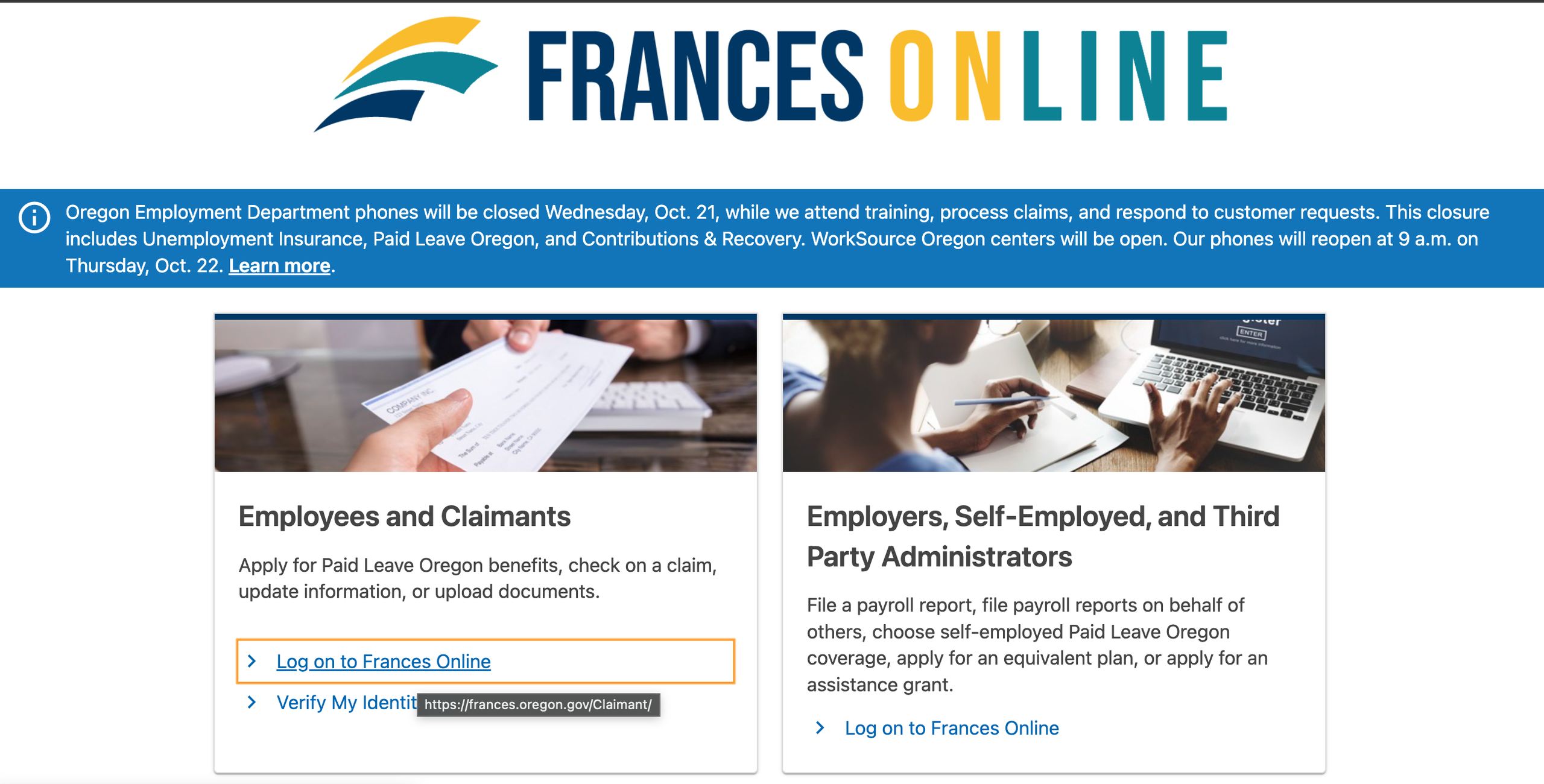
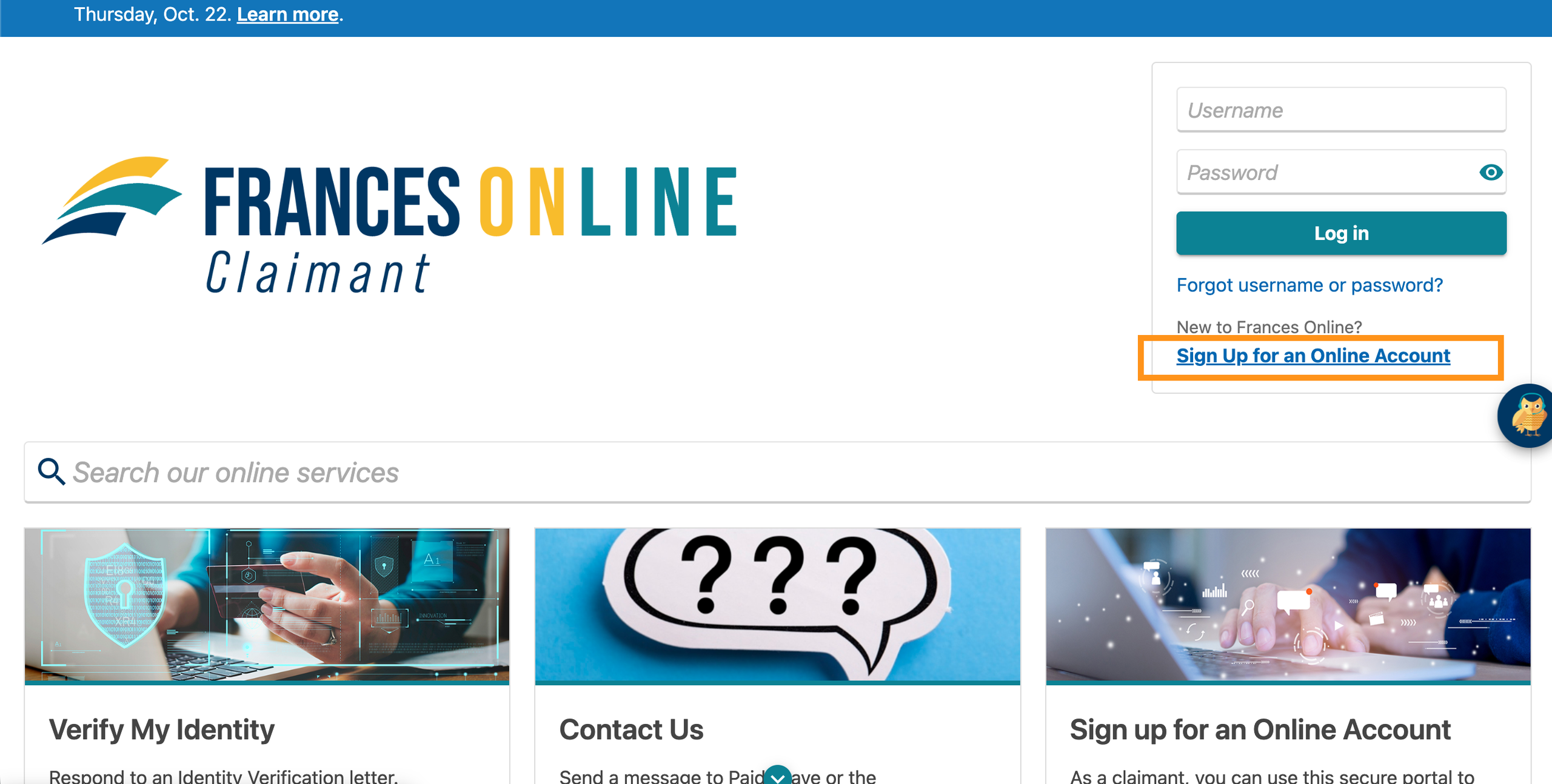
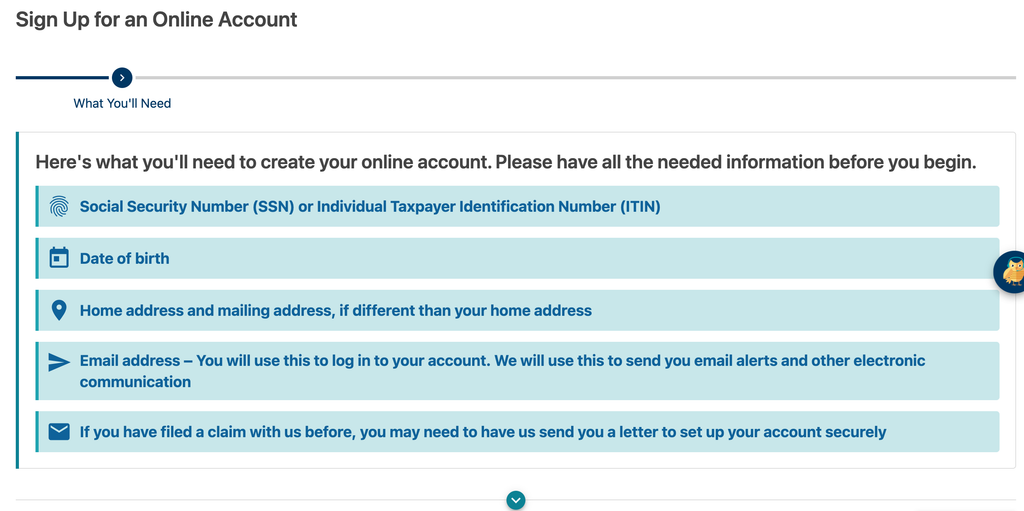
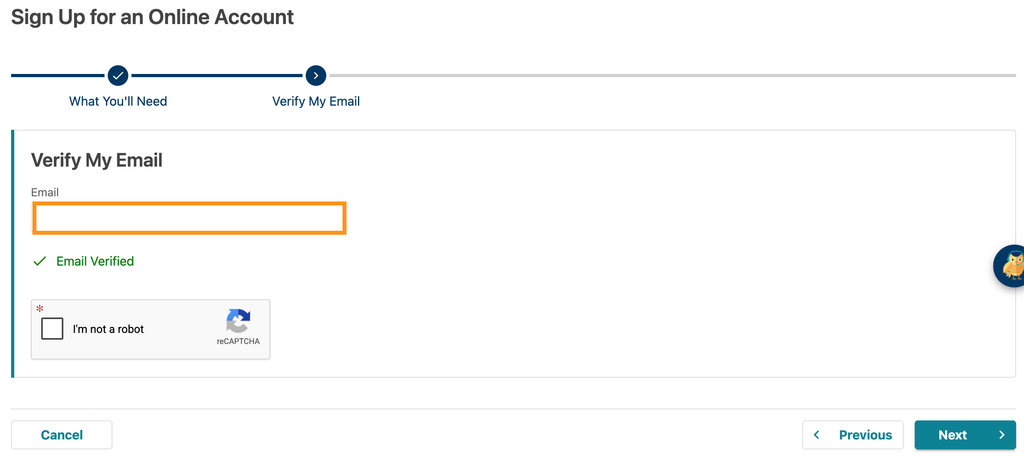
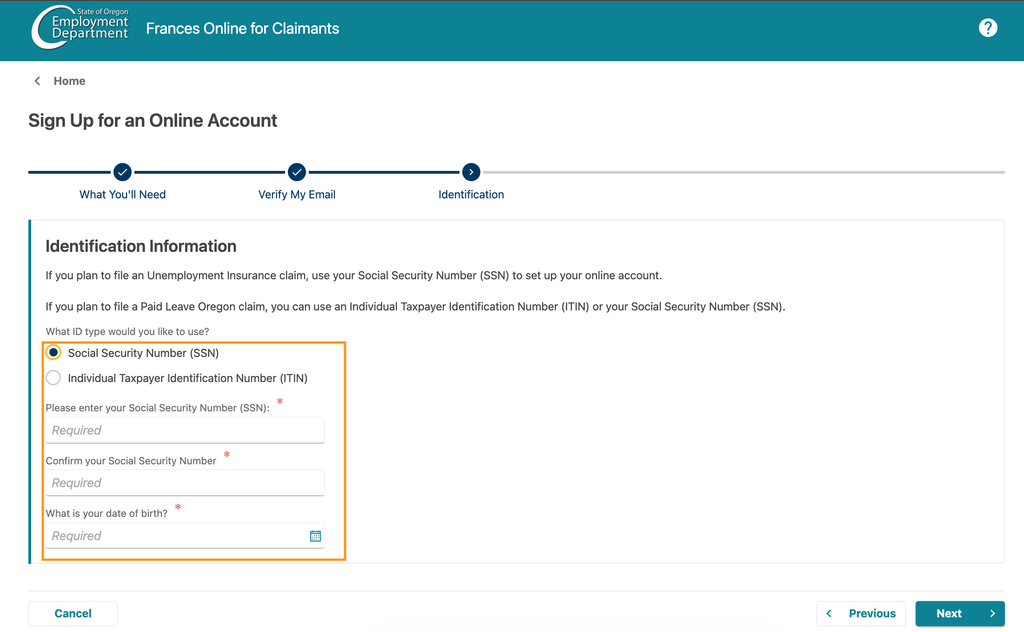
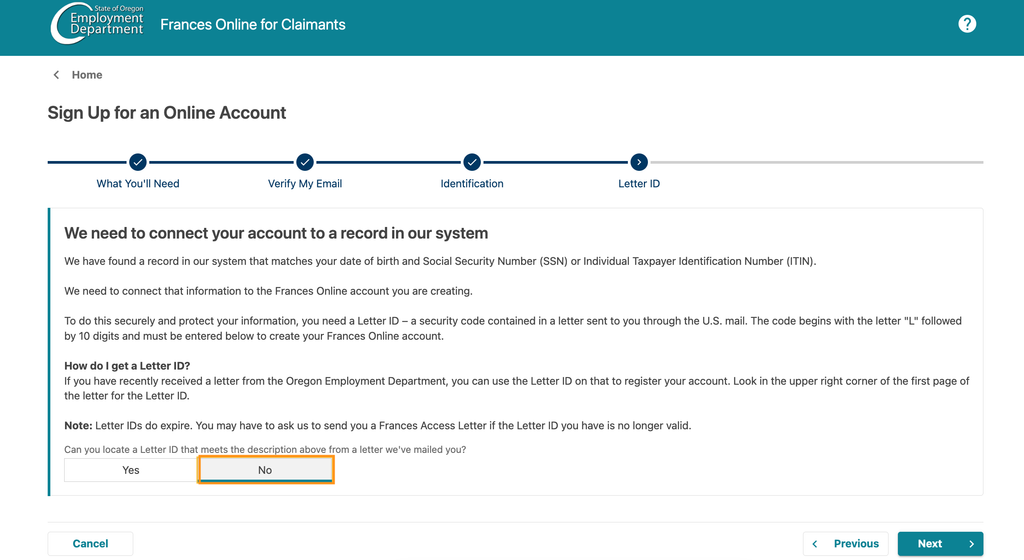
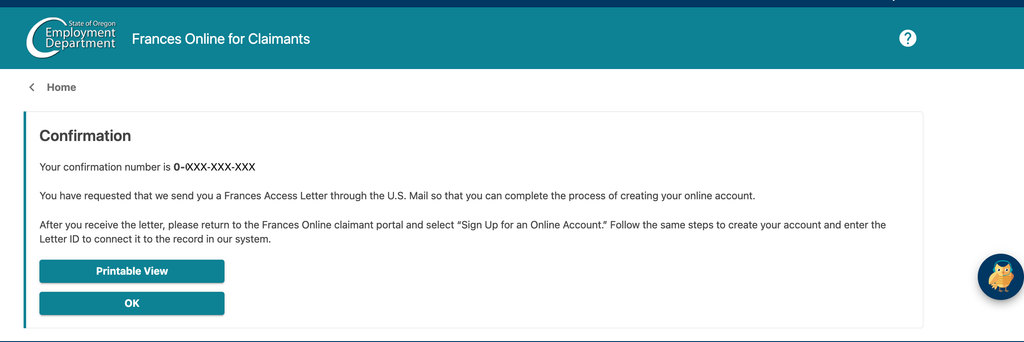
Then, you will get a letter in the mail and in the Frances website online that tells you if you are eligible for unemployment insurance benefits and how much money you can get if you file your weekly claims and are otherwise eligible. You will also get a letter advising you what to do next. If you are not eligible, the letter will tell you why not.
If you are eligible, complete the ID verification process. You will need 2-3 pieces of acceptable identification. The ID verification will need to take place in-person, either at a USPS Post Office or at an Oregon WorkSource center.
Reasons why members should start the process early:
- Setting up our accounts and applying now is another tactic to the city that we are serious about going on strike if we need to!
- Setting up your account early will allow for time and space for potential hiccups in the process. Our siblings at PCC-FFAP and FCE did experience hiccups during their strike earlier in the year and recommended this to us!
- Starting early also makes sure you are not the cause of any delayed benefits receive benefits on time and when needed most during a strike
- Some folks who have used Unemployment Benefits in Oregon before will need to wait for an identity verification letter to be mailed to your house. Registration for an account will trigger this letter for those folks and ensures you will have enough time to verify your identity before a potential strike.
If you have any questions about registering for a Frances account, please contact info@cppwunion.org.
Step 2: Before strike, download employment documents
Make sure that you save personal copies of paystubs and tax documents (like your W-2) before the strike begins, as you will need them to apply for benefits.
In order to apply for unemployment benefits you’ll need your work history from April 1, 2025, onwards, including:
- Dates of employment
- Your employers’ business names, addresses, and phone numbers
- Your employer’s Federal Employer’s Identification Number (FEIN)
- To find this number, check your Form W-2 (Box b) or paystub.
- The City’s FEIN is 93-6002236
- Your salary from each employer
Step 3: When strike starts, submit weekly claims
Once the strike starts, file an initial registration AND weekly claims. You should file your weekly claims even if you are still waiting for approval of your initial registration. There is a two week waiting period before OED starts making payments, keep submitting weekly claims during this time.
About weekly claims
- A weekly claim determines how much money OED sends you for that week. A week is Sunday through Saturday. You must wait until Sunday to submit your claim for the week that ended on Saturday.
- The claim asks “Are you still working for this employer?” Respond yes and you will be prompted with a drop down for options. Click and select “Strike or lockout”.
- File a weekly claim even if you worked that week. You need to report your hours and earnings for any work you did that week. You may be considered unemployed during any week you worked substantially less than your normal amount of weekly hours and earned less than your weekly benefit amount.
Work seeking activities that meet the weekly requirements
To be eligible for benefits, federal law requires striking workers to be able to work, available to work, and actively seeking work. Therefore, OED requires striking workers to complete at least one work-seeking activity each week. Examples of work-seeking activities are:
- Registering for job placements with the Oregon Employment Division (OED)
- Updating a resume
- Updating your profile on LinkedIn or another job-seeking site
- Attending a job placement meeting sponsored by OED
- Participating in a job club or networking group dedicated to job placement
- Making direct contact with an employer
- Reviewing job placement websites or newspaper without responding to a job posting
Note: The regular UI requires five work-seeking activities per week, but striking workers are only required to complete one. Because the website had not been updated at the time of creating this document for striking workers, you will need to manually indicate four additional placeholder activities. The website may have been updated by the time you read this document.
After the strike
If your approved Contract Bargaining Agreement includes “back pay,” you will have to repay any UI benefits you received. The benefits you received will be considered an “overpayment.” An overpayment caused by back pay for a strike is not eligible for a waiver.
Per OED: We will send you a decision that notifies you of your overpayment and the due date to repay it. It will include instructions to request a hearing if you do not agree with the decision. If you do not repay your debt in full by the due date:
- If you file a claim in the future, we will reduce your weekly benefit payments to pay back your debt.
- We will add interest of 1% per month to your balance due.
- We will mail you a statement each month that shows the remaining balance of your debt.
- We can take legal action to collect your debt. This includes garnishing your wages and intercepting your income tax returns.
If you have additional questions please contact info@cppwunion.org.